What Is a Copper Refinery Plant?
A copper refinery plant is an industrial facility that purifies copper-bearing materials into high-purity copper cathode, usually 99.99% Cu or higher. Depending on the feed, a refinery may include:
- Smelting and converting
- Fire refining
- Anode casting
- Electrorefining
- Leaching, solvent extraction, and electrowinning (SX-EW)
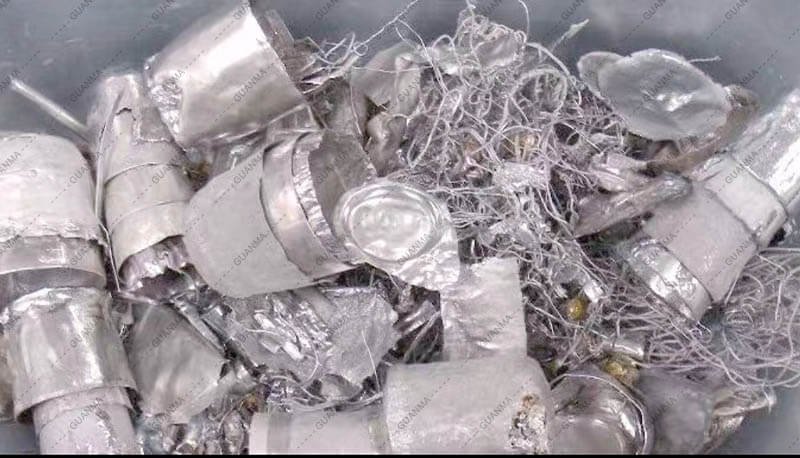
- Scrap sorting, melting, and refining
- Byproduct recovery, such as gold, silver, selenium, and tellurium from anode slime
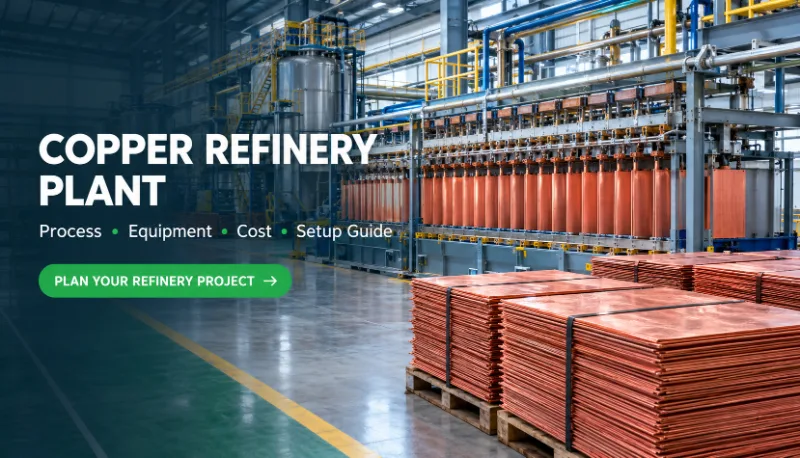
Some plants are fully integrated smelter-refineries. Others are standalone electrorefineries that purchase anode copper. Others focus on copper scrap refining plant operations. The configuration you choose determines your equipment, permits, manpower, and profitability.
Step 1: Define Your Feed Material and Final Product
Before you buy any copper refining machinery, answer these questions:
What is your feed?
- Copper concentrate
- Blister copper
- Anode copper
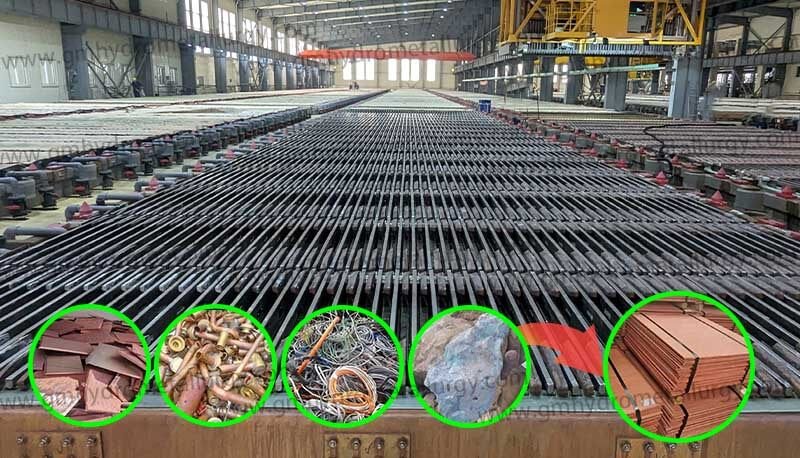
- Copper scrap (wire, cable, motors, printed circuit boards)
- Oxide ore
- Mixed sulfide/oxide ore
What is your target product?
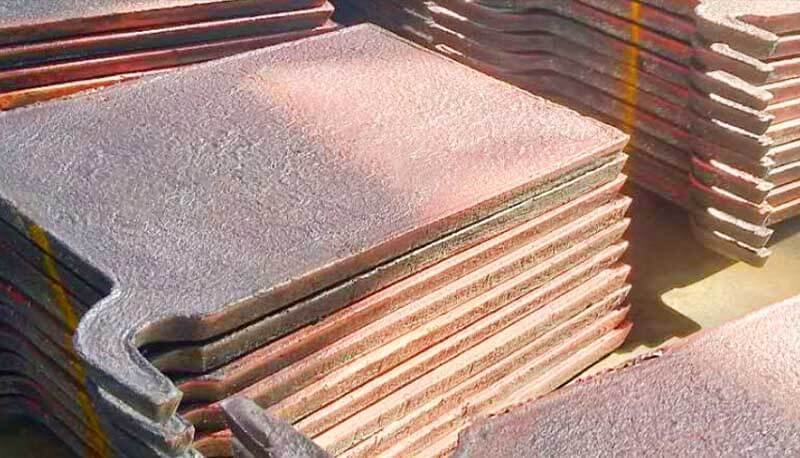
- LME Grade A copper cathode
- Copper anode
- Black copper
- Copper sulfate
- Byproduct metals
What scale do you want?
- Small-scale copper refinery plant: 500–5,000 tpa cathode
- Medium-scale: 5,000–30,000 tpa
- Large-scale: 30,000–300,000+ tpa
Step 2: Choose the Right Copper Refining Process
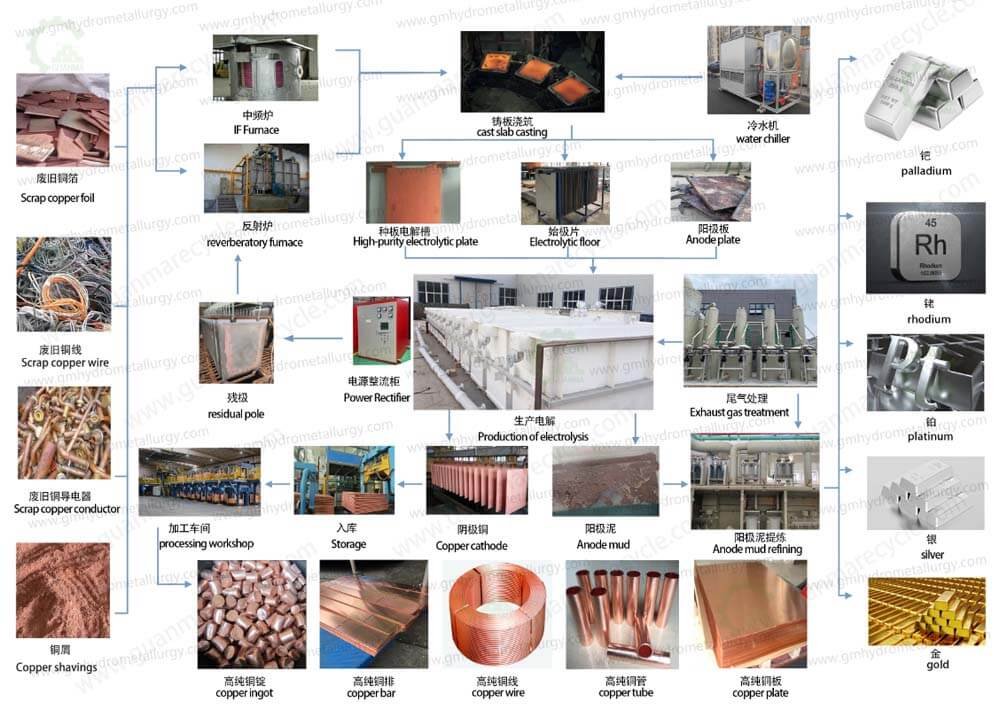
The three main routes are pyrometallurgical, hydrometallurgical, and scrap-based refining.
1. Pyrometallurgical Route
This is the traditional route for sulfide copper concentrates. It usually includes:
- Crushing, grinding, and flotation
- Smelting to produce matte
- Converting to produce blister copper
- Fire refining in an anode furnace
- Anode casting
- Electrorefining to cathode
This route is suitable for large-scale operations and can recover precious metals from anode slime. It requires significant investment in furnaces, gas handling, acid plants, and environmental controls.
2. Hydrometallurgical Route (SX-EW)
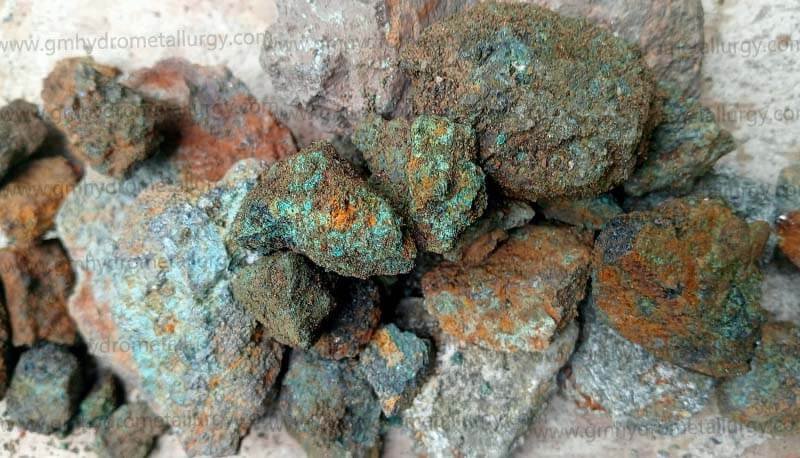
This route is common for oxide copper ores and some low-grade materials. It includes:
- Heap or tank leaching with sulfuric acid
- Solvent extraction (SX)
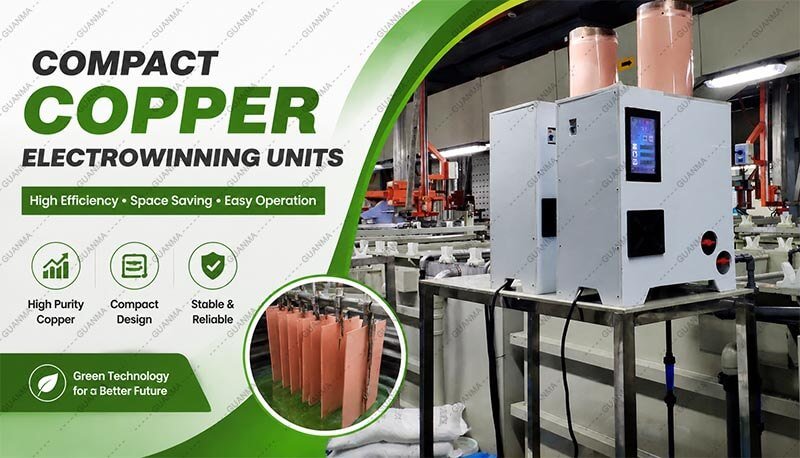
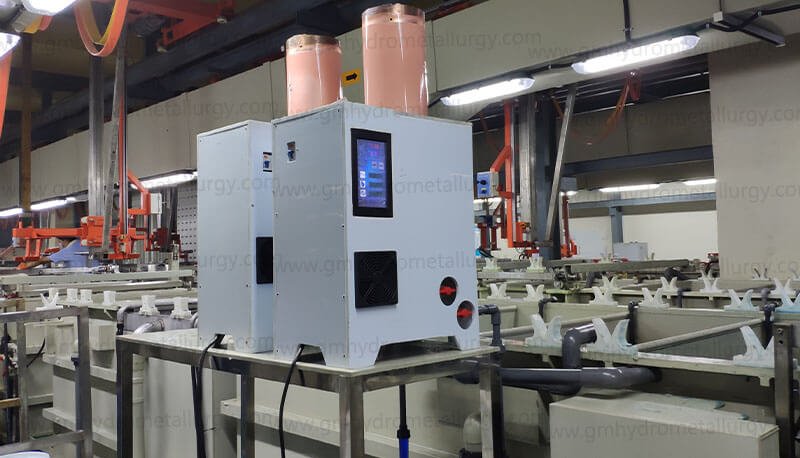
- Electrowinning (EW)
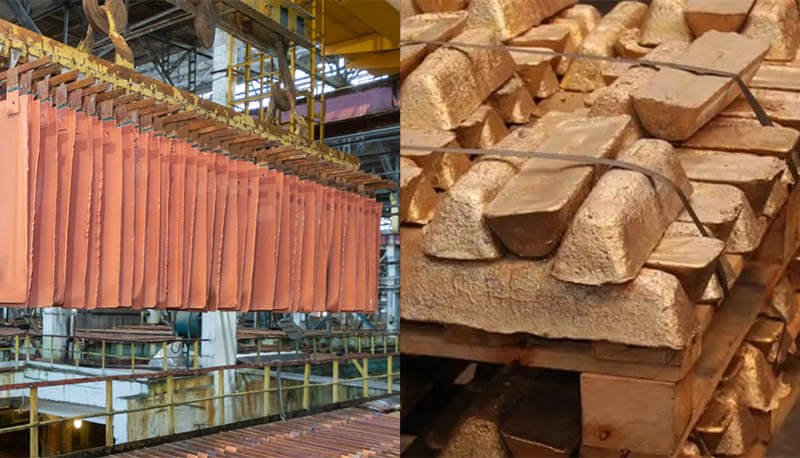
- Cathode washing and packaging
SX-EW is often simpler than smelting, but it depends on ore mineralogy. It consumes reagents and electricity, and it may not be suitable for high-sulfide feeds without pretreatment.
3. Scrap-Based Copper Refining
Scrap-based plants are increasingly popular because of the global push for circular economy. A copper scrap refining plant may include:
- Sorting and sampling
- Shredding or cable stripping
- Melting furnace
- Fire refining
- Anode casting
- Electrorefining
- Slag treatment and dust collection
The challenge is feed variability. Scrap can contain plastics, iron, aluminum, lead, tin, and precious metals. Proper sampling and process flexibility are essential.
Step 3: Complete Feasibility, Testwork, and Mass Balance
Key studies include:
- Chemical assay and mineralogy
- Bench-scale leaching, smelting, or electrorefining tests
- Pilot-scale testing for new or mixed feeds
- Mass balance and energy balance
- Recovery rates for copper and byproducts
- Reagent and flux consumption
- Slag and residue characterization
- Environmental baseline study
A proper feasibility study should include technical, financial, and environmental sections. It should also identify the optimal capacity, process route, and equipment list.
For a small scale copper refinery plant, pilot testing is still important. It reduces the risk of buying the wrong copper refining machinery.
Step 4: Understand Permits and Environmental Compliance
Copper refining can involve sulfuric acid, sulfur dioxide, heavy metals, dust, and hazardous waste. Permits are not optional.
Typical permits and approvals include:
- Environmental Impact Assessment (EIA)
- Air emission permit
- Water abstraction and discharge permit
- Hazardous waste storage and transport permit
- Fire safety and building permits
- Zoning and land-use approval
- Import/export licenses for feed and products
- Radiation monitoring for scrap
You may also need:
- Acid plant or SO₂ scrubbing
- Dust collection and baghouse systems
- Wastewater treatment and recycling
- Anode slime handling and secure storage
- Slag management or sale
- Continuous emission monitoring
Environmental compliance often represents 10–30% of total CAPEX. It is better to design it early than to retrofit later.

Step 5: Select the Site and Infrastructure
A copper refinery plant needs more than flat land. Consider:
- Distance to feed sources and ports
- Road, rail, and container access
- Reliable electricity supply
- Water availability and quality
- Natural gas, coal, or fuel oil supply
- Steam and compressed air
- Acid storage and transport
- Labor availability and skills
- Climate and seismic conditions
- Buffer zone from communities
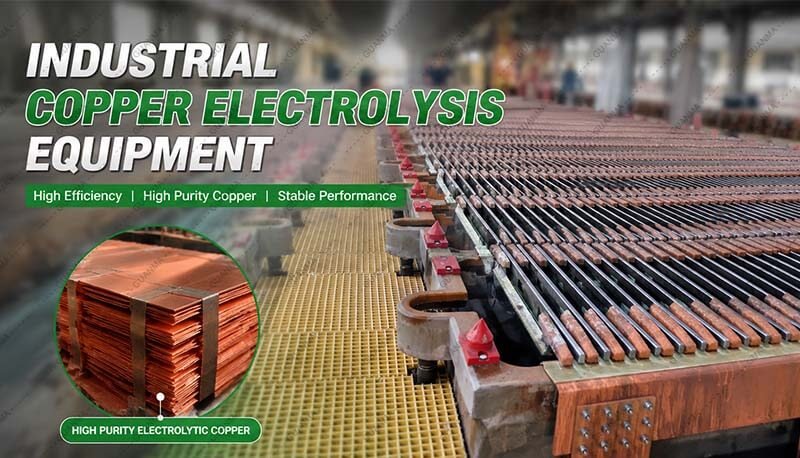
For electrorefining, power quality matters. Rectifiers, busbars, and cooling systems must be designed for continuous operation. For smelting, gas handling and acid plants require careful layout.
Step 6: Design the Copper Refinery Plant Layout
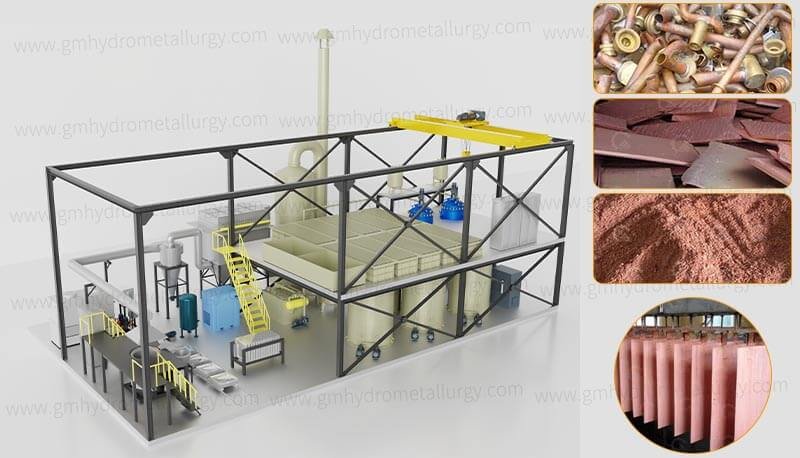
A good copper refinery plant layout improves safety, efficiency, and future expansion. A typical integrated layout includes:
- Feed receiving and storage
- Sampling and preparation
- Smelting and converting area
- Fire refining and anode furnace
- Anode casting wheel and cooling
- Anode storage and preparation
- Electrorefining tankhouse
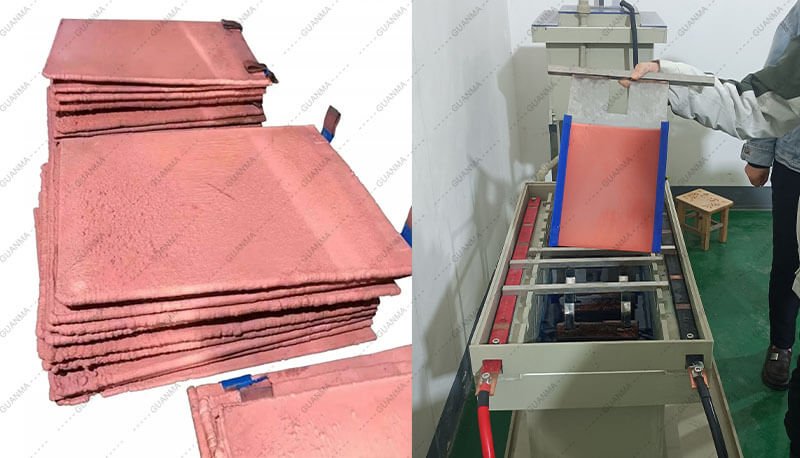
- Cathode stripping, washing, and packaging
- Electrolyte purification and circulation
- Anode slime treatment
- Acid plant and gas cleaning
- Wastewater treatment
- Laboratory and quality control
- Warehouse and shipping
- Utilities and maintenance
Material flow should be one-way where possible. Avoid crossing clean and dirty areas. Keep acid and electrolyte systems away from high-traffic zones. Design for crane access, ventilation, and emergency evacuation.
Step 7: Choose Copper Refining Equipment and Machinery
Equipment selection is where many projects succeed or fail. You need reliable machines, correct materials, and proper sizing.
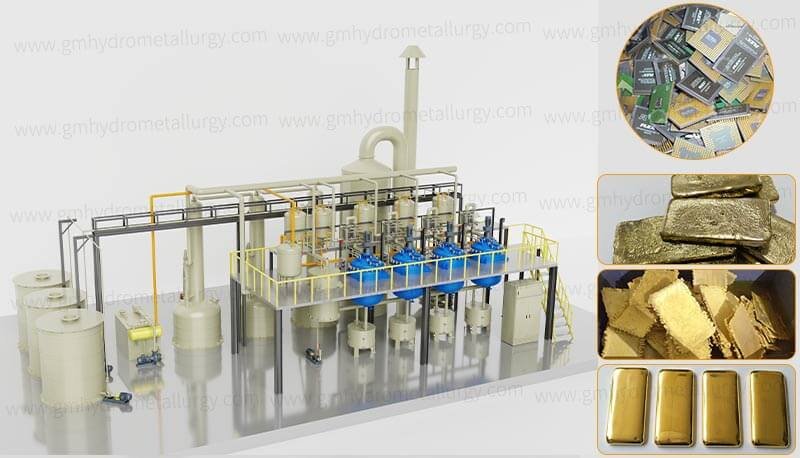
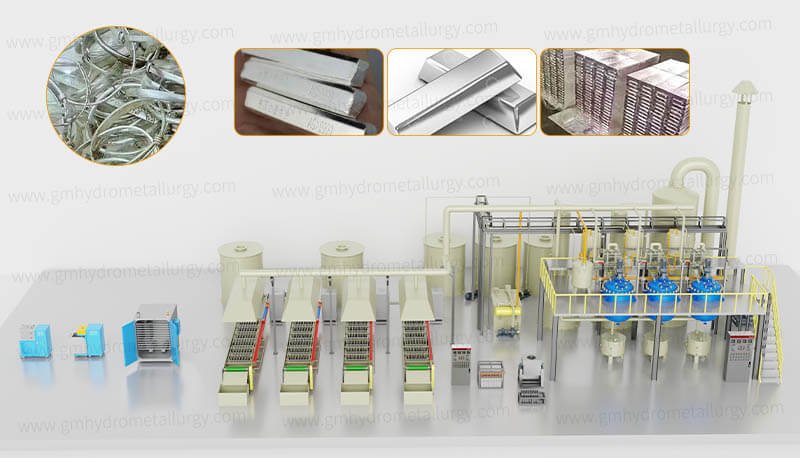
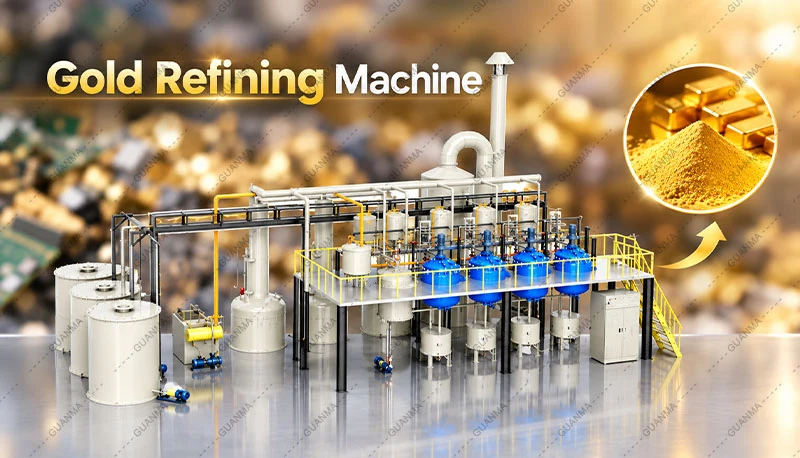
Guanma Machinery supplies copper refining equipment and can support the design of complete copper cathode production lines. Their range can include anode casting machines, electrolytic cells, rectifiers, busbars, cathode stripping systems, and solution handling equipment.
Step 8: Plan Utilities, Reagents, and Consumables
Copper refining is energy- and chemical-intensive. Plan for:
- Electricity: rectifiers, furnaces, pumps, compressors
- Water: cooling, washing, electrolyte makeup
- Steam: heating and refining
- Oxygen and air: smelting and converting
- Fuel: gas, oil, or coal
- Sulfuric acid: leaching, electrolyte
- Reagents: extractants, flocculants, fluxes
- Anodes and cathodes: lead anodes, stainless steel blanks
- Consumables: filters, gaskets, molds, refractories
For SX-EW, reagent management is critical. For electrorefining, electrolyte temperature, copper concentration, acid concentration, and impurity levels must be controlled within narrow ranges.

Step 9: Estimate Copper Refinery Plant Cost
Copper refinery plant cost varies widely. It depends on capacity, feed, process route, country, automation, and environmental standards. Use the following as an early-stage guide only, not a quotation.
- Small-scale scrap refining, 500–2,000 tpa Cu cathode, $0.5M–$5M.
- Standalone electrorefining, 5,000–20,000 tpa, $3M–$25M.
- SX-EW plant, 5,000–20,000 tpa, $5M–$30M.
- Integrated smelter-refinery, 50,000+ tpa, $100M–$1B+.
OPEX includes:
- Feed purchase
- Energy
- Labor
- Reagents and consumables
- Maintenance
- Environmental compliance
- Logistics
- Financing
Working capital is often overlooked. You may need 3–6 months of feed, consumables, and operating cash.
Step 10: Build a Realistic Timeline
A typical copper refinery project follows this timeline:
- Feasibility and testwork, 3–9 months.
- Basic and detailed engineering, 4–12 months.
- Permitting, 6–18 months.
- Equipment manufacturing, 6–14 months.
- Civil construction and installation, 8–18 months.
- Commissioning and ramp-up, 3–9 months.
- Total: 12–30+ months
Permitting and financing often drive the schedule. Start environmental studies early. Order long-lead equipment only after the process route is locked.
Step 11: Prioritize Safety, Health, and Environment
Copper refining involves high temperatures, strong acids, heavy metals, and electrical hazards.
Focus on:
- SO₂ and acid mist control
- Dust and lead exposure
- Heat stress and burns
- Electrical safety in tankhouse
- Crane and lifting safety
- Confined space entry
- Emergency response
- Worker training and PPE
- Continuous monitoring
Environmental controls should include:
- Gas cleaning and acid plants
- Effluent treatment and zero liquid discharge where possible
- Slag and residue management
- Anode slime security
- Noise and vibration control
Step 12: Choose the Right Copper Refinery Plant Manufacturer
Your equipment partner can make or break the project. Look for:
- Proven experience in copper refining
- Process knowledge, not just fabrication
- References in similar capacity and feed
- In-house engineering and quality control
- Spare parts and after-sales support
- Ability to supply single machines or turnkey lines
- Transparent documentation and testing
Guanma Machinery is a copper refinery plant manufacturer serving international clients. They can help with equipment selection, plant configuration, and practical solutions for electrorefining, anode casting, and copper cathode production.
Small-Scale vs Large-Scale Copper Refinery Plant
Small-Scale Copper Refinery Plant
Best for:
- Scrap processors
- Local copper cathode production
- Pilot projects
- Remote locations
Advantages:
- Lower initial investment
- Faster construction
- Easier permitting in some regions
Challenges:
- Higher unit cost
- Limited byproduct recovery
- Feed quality control
Large-Scale Copper Refinery Plant
Best for:
- Mining companies
- Integrated smelters
- High-volume cathode producers
Advantages:
- Economies of scale
- Better byproduct recovery
- Lower unit OPEX
Challenges:
- High CAPEX
- Complex permitting
- Long construction time
Ready to Build Your Copper Refinery Plant?
From small-scale to full copper cathode production, Guanma Machinery provides reliable copper refining equipment and project support. Contact us today for a consultation, equipment list, or preliminary proposal.
FAQ: Copper Refinery Plant Setup
How much does it cost to set up a copper refinery plant?
Costs range from under $1 million for a very small scrap-based operation to over $100 million for an integrated smelter-refinery. Capacity, feed, process route, and environmental controls are the main cost drivers. Request a feasibility-level estimate from Guanma Machinery for a more accurate range.
What equipment is needed for a copper refinery plant?
Key equipment includes furnaces, anode casting machines, electrolytic cells, rectifiers, busbars, cranes, cathode stripping machines, solution circulation systems, filters, scrubbers, and wastewater treatment. The exact list depends on your feed and process.
Is a small-scale copper refinery plant profitable?
It can be, especially with low-cost scrap, reliable power, and strong local demand. However, profitability depends on feed quality, recovery, copper price, reagent cost, and environmental compliance. A detailed financial model is essential.
What is the difference between copper smelting and copper refining?
Smelting converts copper concentrate into matte or blister copper. Refining purifies copper to high-purity cathode, usually through fire refining and electrorefining. SX-EW is a hydrometallurgical refining route for oxide ores.
Can copper scrap be refined into cathode?
Yes. Copper scrap can be sorted, melted, fire-refined, cast into anodes, and electrorefined into copper cathode. The key is controlling impurities and feed variability.
📩 Get Your Free Quote Today
Contact us today to discuss your project, capacity requirements, and target materials. Our team will reply within 24 hours with a customized proposal. You can also reach us directly at guanmamachinery@gmail.com — we are here to help!