How exactly does the silver electrolytic refining work transform impure feed into 99.99% fine silver? Guanma Machinery walks you through silver electrorefining technical detail.
What is Silver Electrolytic Refining?
Silver electrolytic refining, also called silver electrorefining, is an electrochemical purification process. It removes base metals, gold, and platinum group metals (PGMs) from raw silver anodes.
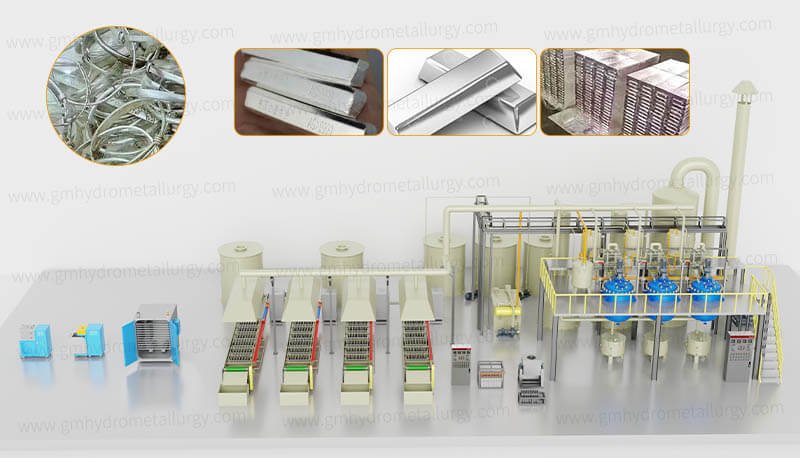
The Core Principle of Silver Electrolytic Refining Work
Understanding how silver electrolytic refining work starts with the cell itself. A typical industrial silver cell contains:
Anode
Impure silver cast into flat plates or bars. It is the source of silver and impurities.
Cathode
A thin starter sheet of pure silver, a stainless steel plate, or a titanium blank where refined silver crystals nucleate and grow.
Electrolyte
An aqueous solution primarily of silver nitrate (AgNO₃) with a small addition of free nitric acid to maintain conductivity and prevent hydrolysis.
Power supply
A rectifier delivering low-voltage, high-amperage DC current.
Cell tank
Acid-resistant construction, often fiberglass or polypropylene.
The electrolyte
silver nitrate chemistry and control
How Silver Electrolytic Refining Work in Practice
1. Anode casting
Raw silver doré or scrap is melted, and the melt is adjusted to the required silver content (usually 90–95% Ag, with gold tolerated up to a few percent). The metal is cast into anode plates.
2. Cell loading
Anodes are hung in the cell, interleaved with cathodes. Typical anode-to-cathode spacing is 50–75 mm to avoid short circuits.
3. Electrolysis start
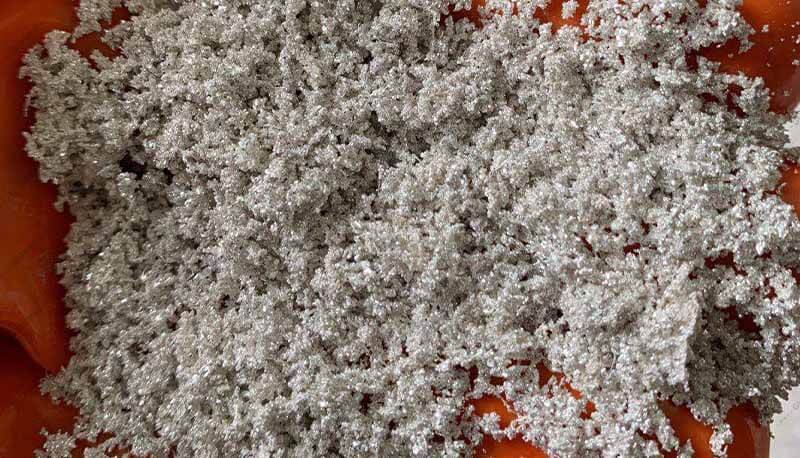
The silver electrolytic refining work begins, and after a few hours, pure silver dendrites are visible.
4. Crystal harvesting
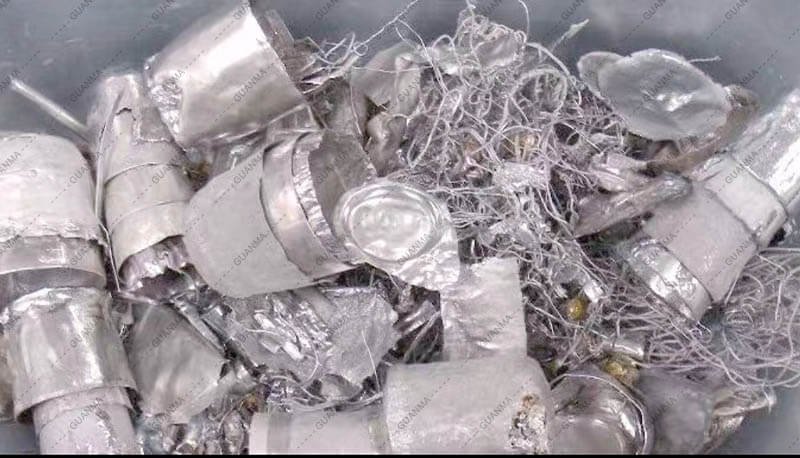
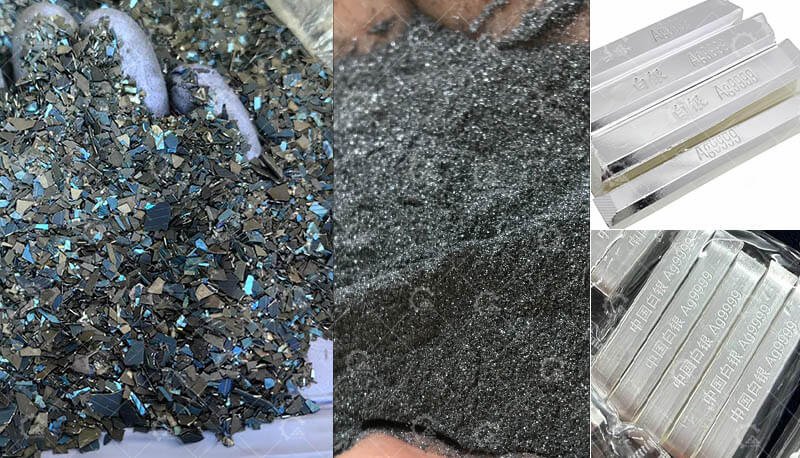
Silver grows as loose, tree-like crystals on the cathode. Periodically (usually every 24–48 hours) cathodes are lifted, and the crystals are scraped off mechanically.
5. Washing and drying
The harvested silver crystals are washed with hot, deionized water to remove electrolyte traces, then dried and sampled.
6. Melting and casting
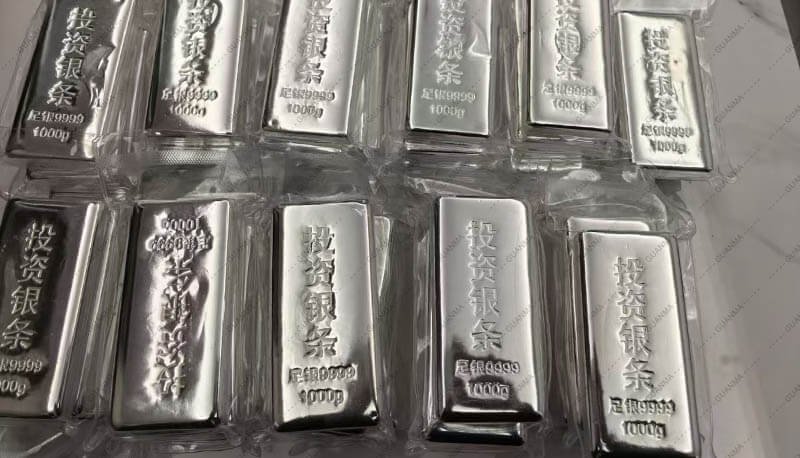
Clean crystals are melted in an induction or gas-fired furnace and cast into 99.99% fine silver bars or grain.
Advantages of Silver Electrolytic Refining
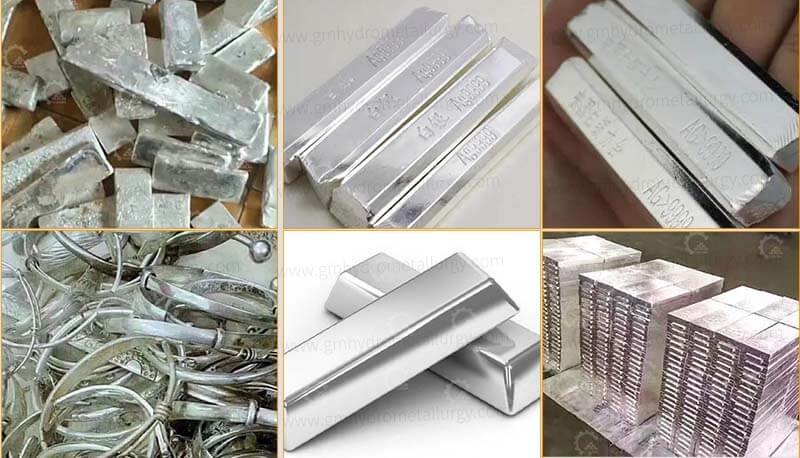
Unmatched purity
Reliably produces .9999 and .99999 fine silver.
Precious metal recovery
Gold and PGMs are concentrated into a high-value slime, not lost.
Cost-effective for large volumes
Once set up, operating costs are low compared to repeated chemical digestion steps.
Environmentally controllable
Closed-loop electrolyte circulation reduces waste and emissions.
Applications for Your Refined Silver
The output of silver electrolytic refining work feeds directly into:
- Bullion bar and coin manufacturing
- Silver grain for jewelry alloys
- Industrial silver powders for electronics and solar cells
Silver Refining Machine Options
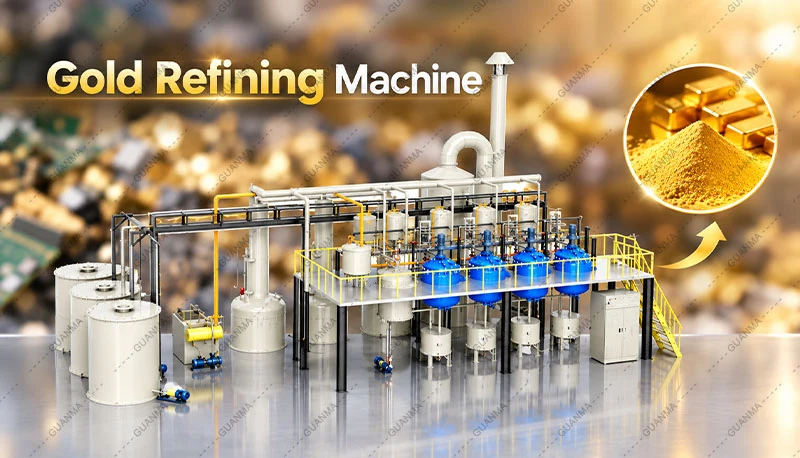
Small silver electrolytic cells are available that process as little as 10 kg per batch, perfect for jewelers or assay laboratories. Larger automated silver electrolytic systems handle several hundred kilograms a day. Guanma Machinery helps size the right plant for your exact feed composition and desired output purity.
Turn Your Silver Scrap into Premium Bullion
When you select a silver refining machine, consider automation level, anode preparation equipment, and electrolyte circulation system. Contact guanma machinery today to discuss your feedstock, capacity goals, and purity requirements, and we’ll design a silver recycling solution.
Frequently asked questions about silver electrolytic refining
How much does a silver electrolysis plant cost?
Costs vary widely depending on capacity and automation. A small-scale silver refining machine starts under $30,000, while a complete industrial silver refining line runs into six or seven figures. We provide tailored quotations.
Can I refine sterling silver with this method?
Yes. You can cast sterling silver scrap directly into anodes, provided the copper level is controlled in the electrolyte. In fact, many refiners use silver electrolytic refining work to upgrade 925 scrap to fine silver.
How do you treat the anode slime?
The slime is washed, filtered, and treated to recover gold and PGMs, typically via acid leaching and further electrorefining.
📩 Get Your Free Quote Today
Contact us today to discuss your project, capacity requirements, and target materials. Our team will reply within 24 hours with a customized proposal. You can also reach us directly at guanmamachinery@gmail.com — we are here to help!