Understanding the gold refinery plant cost is crucial for investor or entrepreneur looking to enter the precious metals industry. While the initial figure might seem straightforward, the true expense encompasses far more than just the price of equipment.
Key Factors Influencing Your Gold Refinery Plant Cost
The total investment varies dramatically based on scale, technology, and location. A small scale gold refinery plant designed for local or artisanal mining operations will have a completely different cost structure compared to a full-scale industrial facility.
1. Core Equipment and Technology Investment
This is the most significant portion of your capital expenditure. The cost here depends on the refining method (chemical, electrolytic, etc.), capacity (kg/day), and level of automation.
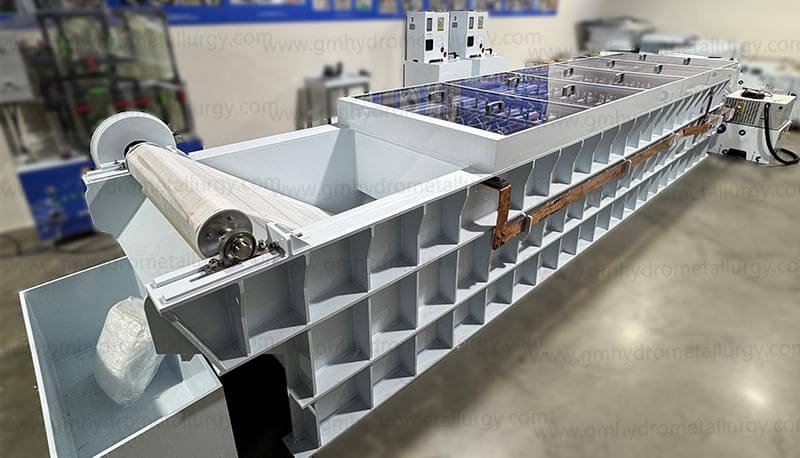
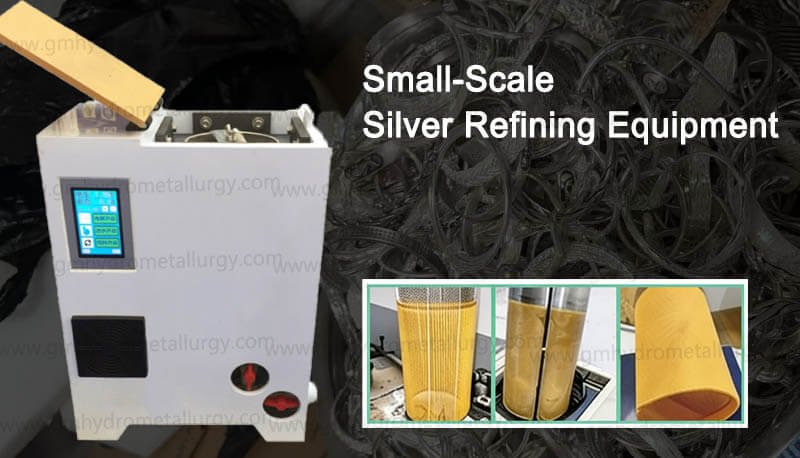
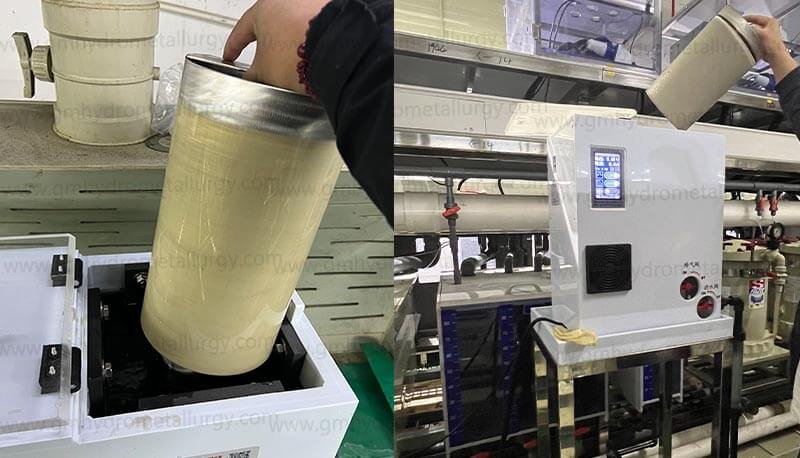
Basic Equipment: Includes reactors, filtration systems, melting furnaces, and casting equipment. For a standardized setup, reliable gold refinery equipment cost from a manufacturer like Guanma Machinery offers a balance of affordability and durability.
Advanced Technology: Automated control systems, advanced fume management, and high-purity electrolytic cells increase precision and safety but also the initial outlay.
Auxiliary Systems: Never overlook the cost of essential supporting equipment like water treatment plants, heavy-duty ventilation systems, and laboratory apparatus for quality control.
2. Installation, Commissioning, and Training
The cost to build a gold refinery extends beyond machinery purchase. Professional installation, civil works (foundations, plumbing, electrical conduits), and commissioning by engineers are mandatory for operational integrity and safety.
3. Compliance and Environmental Safeguards
This is a non-negotiable cost area. Modern gold refining machine installation must adhere to strict environmental and safety regulations.
Permits and Licenses: Costs vary by country and region.
Waste Management Systems: Installing effective systems to handle toxic by-products like cyanide or mercury is a major expense but critical for legal operation and sustainability.
Safety Infrastructure: This includes containment areas, gas scrubbers, and personal protective equipment for staff.
4. Ongoing Operational Expenses (OPEX)
Your gold refinery business investment analysis is incomplete without calculating running costs.
Chemicals and Consumables: Acids, filters, and other refining agents.
Energy Consumption: Refining is energy-intensive; power for furnaces and machinery is a recurring cost.
Labor and Maintenance: Skilled technicians and routine maintenance are essential for consistent output and plant longevity.
Security: High-value product output necessitates robust security measures.

How to Optimize Your Refinery Plant Budget
Start with a Detailed Feasibility Study
Clearly define your source of raw material (scrap, ore, doré bars), target capacity, and desired purity. This prevents over- or under-investing in equipment.
Choose a Reputable Equipment Partner
Partnering with an experienced manufacturer like Guanma Machinery can prevent costly mistakes. They provide not only reliable gold refining machinery but also vital technical support and realistic layout planning, ensuring you get a plant that fits your specific needs and budget.
Consider Modular or Scalable Designs
A modular gold processing plant allows you to start at a manageable capacity and expand as your business grows, spreading the capital investment over time.
Factor in All Hidden Costs
Always budget a contingency (typically 15-20%) for unforeseen expenses during setup and initial operation.
The true gold refinery plant cost is an amalgamation of capital investment, regulatory compliance, and operational foresight. It’s an investment that demands careful planning and the right partners.
Ready to Get a Transparent and Customized Quote?
Understanding your specific cost structure is the first step toward a profitable and sustainable operation. At Guanma Machinery, we specialize in engineering tailored refinery solutions that align with your financial and production goals.