Understanding the differences between Small Scale vs Industrial Silver Refining Systems is the first step toward maximizing your return on investment (ROI) and ensuring operational efficiency.
Whether you are a jeweler looking to reclaim scrap, a pawnbroker managing daily intake, or an industrial recycler processing tons of electronic waste, the scale of your operation dictates the machinery you need.
In this guide, we will move beyond the basic specifications to help you analyze your current workflow, future growth projections, and the technical nuances that separate a benchtop unit from a full-scale refining plant.
Defining the Two Categories
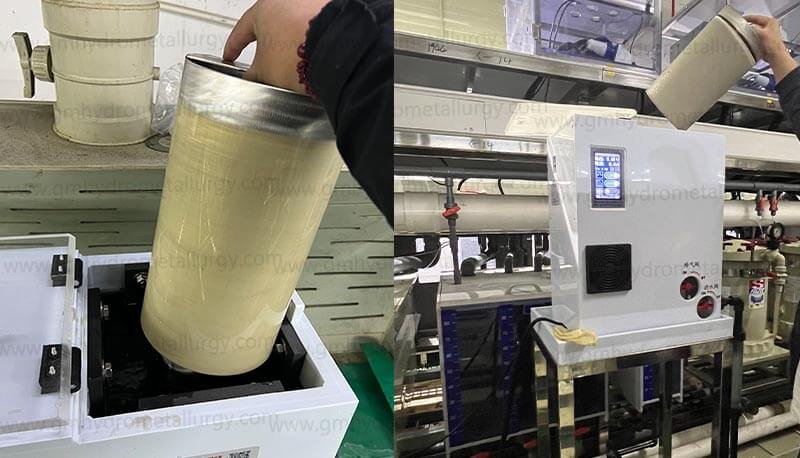
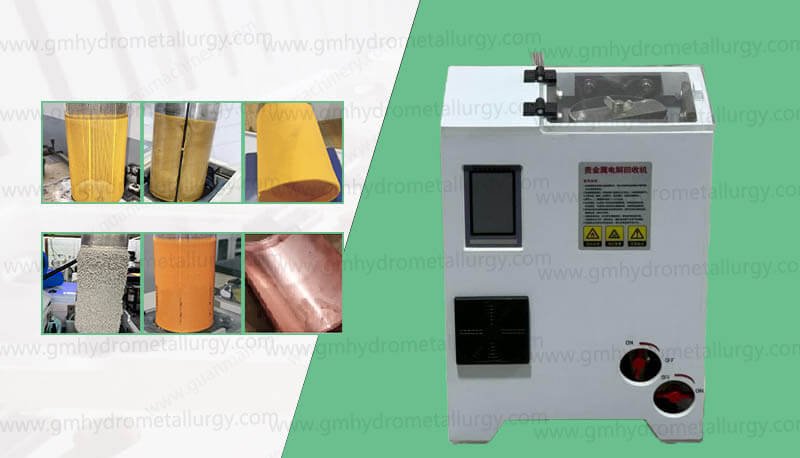
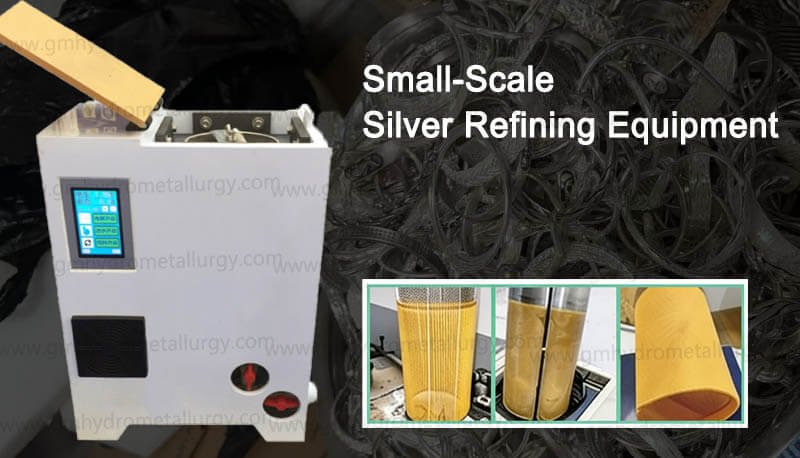
Small Scale Silver Refining Systems typically refer to compact, modular units designed for low throughput. These are ideal for businesses processing between 5 kg to 50 kg of silver-bearing material per batch.
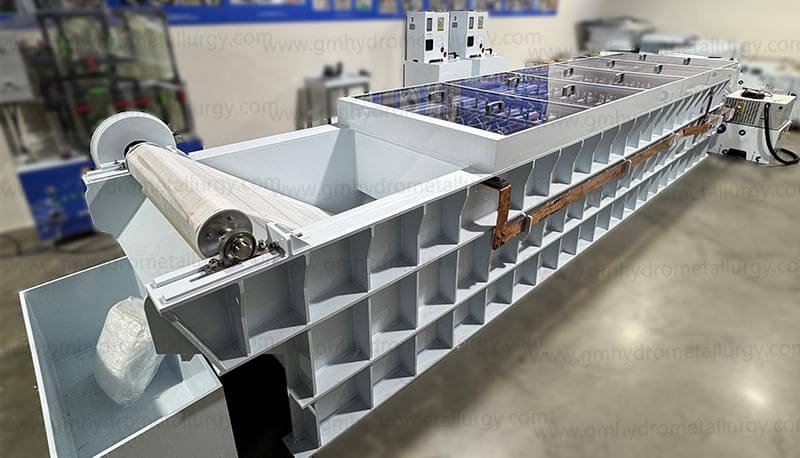
Industrial Silver Refining Systems, on the other hand, are high-capacity, automated solutions designed for continuous operation. These systems handle input ranging from 100 kg to several tons daily.
Key Factors to Consider When Choosing Silver Refining Machine
To determine which system fits your business, you must evaluate four critical areas: Volume, Purity Requirements, Labor Costs, and Regulatory Compliance.
1. Throughput and Production Capacity
If you are a small artisan jeweler generating scrap from bench sweeps and polishing dust, a small-scale silver recovery system is sufficient. These units allow for “batch processing,” where you refine material once a week or month.
If you are operating as a precious metal recycler serving industrial clients—such as electronics manufacturers or X-ray film processors—you need the continuous throughput of an industrial silver recovery system.
2. Purity and End-User Specifications
Small Scale Refining Systems
High-quality small-scale electrolytic silver refining machines can consistently produce 99.9% pure silver. This is suitable for jewelers reusing metal for casting or for selling to local refineries.
Industrial Refining Systems
If your end goal is to sell directly to the London Bullion Market Association (LBMA) or supply high-tech industries, you require 99.99% (four nines) purity consistently.
3. Operational Costs and ROI
Labor
Small-scale systems are labor-intensive. They require constant monitoring, manual addition of chemicals, and physical handling of anodes and cathodes. Industrial automatic silver refining plant solutions drastically reduce labor costs.
Chemical Consumption
Industrial systems often integrate silver electrolyte purification units and fume extraction systems that recycle acids and reduce chemical waste disposal fees. In small-scale setups, these consumables are a recurring expense that must be carefully managed.
Which One Do You Need Silver Refining Systems?
Choose a Small Scale System if:
You process less than 200 kg of silver material per month.
Your primary goal is to refine your own jewelry scrap or dental alloys for reuse.
You are testing the precious metal recycling market and want to start with a low capital barrier.
Choose an Industrial System if:
You process over 500 kg per month and the volume is growing.
You want to reduce labor dependency and standardize purity output.
You aim to achieve supply high-purity industrial clients.
You are looking for long-term operational cost savings despite a higher upfront investment.
Selecting the right silver refining equipment is not just about the price tag; it is about matching the technology to your business model.
If you are still unsure about the right capacity for your needs, contact guanma machinery. We offer free material flow analysis to help you calculate the exact specifications required for your silver recovery operation.