Copper Electrolysis vs Copper Refining: Unraveling the Process Relationship
A common point of confusion lies between Copper Electrolysis vs Copper Refining. Are they the same? Simply put: Copper Electrolysis is a key stage within the broader Copper Refining process.
What is Copper Refining?
Copper Refining is the essential industrial process that transforms crude copper (typically 98-99% pure blister copper from smelting) into high-purity copper (99.99% Cu) suitable for premium electrical applications. The goal is the systematic removal of impurities like gold, silver, nickel, arsenic, and selenium.
Copper refining is categorized into two main pathways: Pyrometallurgy (Fire Refining) and Hydrometallurgy (often involving Electrolysis).
Fire Refining (Pyrometallurgy)
This is a traditional thermal process. Blister copper is melted in an anode furnace, where air is introduced to oxidize impurities. These oxides are skimmed off as slag or driven off as gas. The output is fire-refined copper, which is then cast into shapes called anodes for copper electrolysis. This step handles bulk impurity removal.
Electrolytic Refining (Hydrometallurgy / The Electrolysis Stage)
This is where Copper Electrolysis takes center stage. It is the hydrometallurgical step that achieves the final, ultra-high purity.
What is Copper Electrolysis?
Copper Electrolysis is the specific electrochemical technology used within the electrolytic refining pathway. Here’s how it works:
The fire-refined copper anodes (impure) and thin starter sheets of pure copper (cathodes) are immersed in an electrolyte solution (acidic copper sulfate).
A direct current is applied, causing copper ions to dissolve from the anode and travel through the solution.
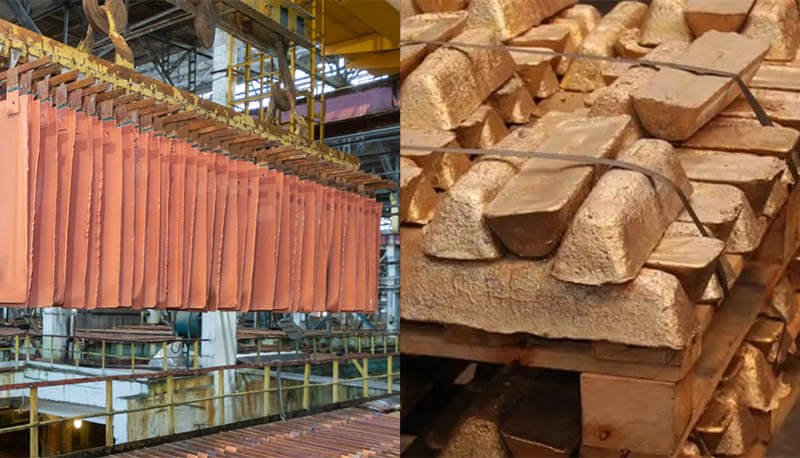
These ions are then selectively deposited onto the cathode, building up a plate of extremely pure electrolytic tough pitch (ETP) copper.
Most metallic impurities do not electrolyze under these conditions; they either settle as valuable anode slime (containing precious metals) or remain dissolved in the electrolyte.
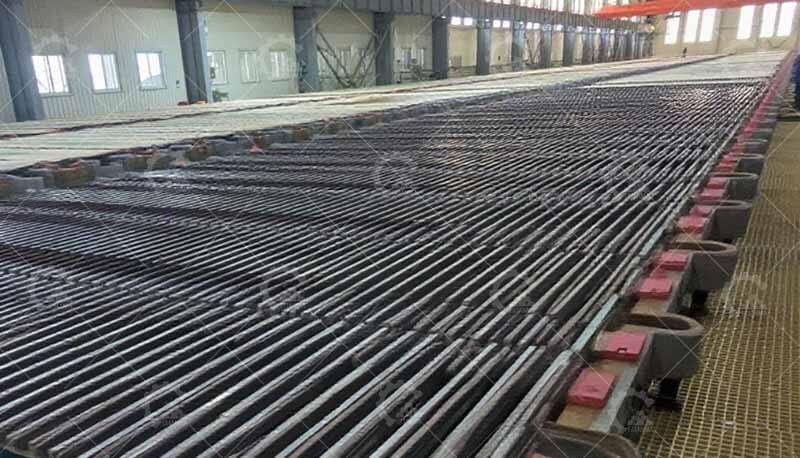
Choosing the Right Path: Fire Refining vs Electrolytic Refining
Your choice depends on feed material, desired purity, and scale:
Fire Refining is excellent for initial, bulk purification and is often integrated with smelting operations.
Electrolytic Refining (using Electrolysis) is indispensable for producing the highest purity copper required for wires, cables, and electronics, and for efficiently recovering precious metals from slimes.
Guanma Machinery: Your Copper Electrolysis Refining Partner
At Guanma Machinery, we are experts in the entire copper refining technology spectrum. We provide tailored solutions whether your project requires a specific component or a complete turnkey plant.
For Electrolytic Refining Plants
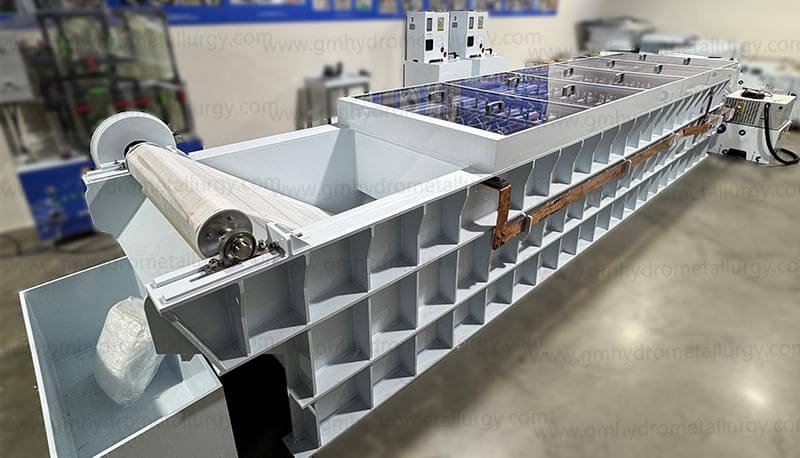
We specialize as a copper electrolysis system manufacturer, supplying high-efficiency electrolysis tank cells, advanced electrode handling systems, and automated cathode stripping machines designed for energy-efficient copper production.
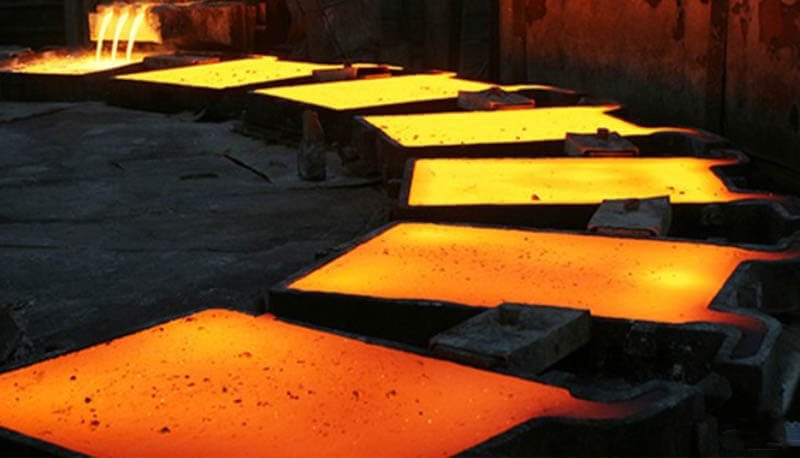
For Comprehensive Refining
We offer technology and equipment for fire refining copper anodes, including anode furnaces and casting wheels, creating a seamless bridge to the electrolysis stage.
Our Advantage
Our copper cathode production systems are engineered for superior current efficiency, minimized energy consumption, and maximized recovery of precious metals from anode slimes, ensuring a rapid return on your investment.
Optimize Your Copper Output with Expert Technology
Understanding that copper electrolysis is a vital part of copper refining empowers you to specify the correct technology for your needs.
Contact Guanma Machinery today. Let our engineering team analyze your requirements and provide a detailed proposal for a high-yield copper refining solution.